

The rapid global growth of electric vehicles is transforming the mining industry, and Madagascar EV battery graphite has become a critical resource for automakers and battery manufacturers. Graphite is an essential material used in lithium-ion batteries, forming the negative electrode that stores and releases electricity in electric cars.
As electric car production continues to expand worldwide, demand for battery-grade graphite has surged. Madagascar has emerged as one of the fastest-growing suppliers of natural graphite, providing an alternative source for manufacturers seeking to diversify supply chains beyond China.
For the global automotive industry, Madagascar EV battery graphite is becoming increasingly valuable as electric vehicles require large quantities of high-quality graphite to power their batteries.
Why graphite is crucial for electric vehicle batteries
Every electric car relies on lithium-ion battery technology, and graphite plays a central role in storing the energy that powers the vehicle.
Graphite’s role inside EV batteries
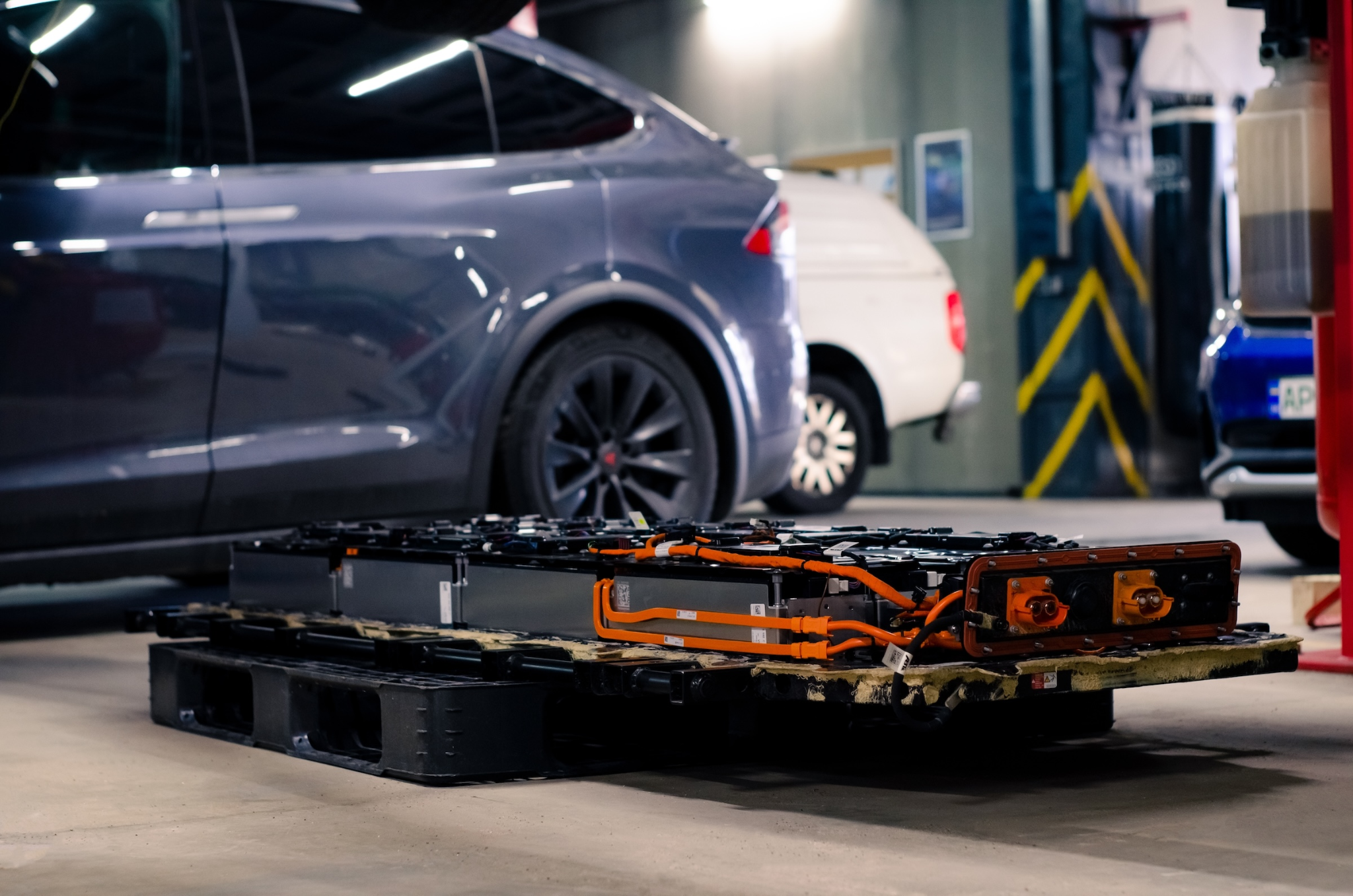
In an EV battery, graphite forms the anode, which absorbs lithium ions during charging and releases them when the car is in use. This process allows electric vehicles to store large amounts of electricity and deliver reliable performance.
Although graphite accounts for roughly one-third of the total battery weight, its carbon footprint is relatively low compared with other battery materials. Because of this balance of performance and environmental efficiency, Madagascar EV battery graphite is becoming increasingly attractive for electric vehicle manufacturers.
Madagascar is emerging as a key supplier for the EV industry
Madagascar’s natural graphite production has expanded significantly in recent years as new industrial mining projects have been developed.
Growing global market share
The country’s share of global natural graphite production has increased sharply over the past decade as several large-scale mines ramp up operations. This growth has helped position Madagascar as one of the leading non-Chinese sources of battery-grade graphite.
Major mining projects supplying the EV industry include:
-
The Molo graphite mine, operated by NextSource Materials
-
The Sahamamy and Vatomina mines, operated by Tirupati Graphite
-
The Maniry graphite project, developed by Evion Group
These projects produce high-quality graphite flakes that can be processed into battery anode material used in electric cars.
As a result, Madagascar EV battery graphite is increasingly integrated into global EV supply chains.
Global EV policies are increasing demand for non-Chinese graphite
The rising importance of Madagascar EV battery graphite is also linked to geopolitical and trade developments affecting the electric car industry.
Automakers seek diversified supply chains
China currently dominates the global graphite processing sector, producing the majority of battery-grade material used in EVs. However, trade tensions and new supply chain regulations in Europe and the United States are encouraging automakers to source critical minerals from alternative locations.
New regulations require electric vehicle manufacturers to track environmental and labor standards across their battery supply chains. Madagascar’s natural graphite deposits, known for their relatively low carbon footprint, are therefore gaining attention among Western automakers.
For electric car producers aiming to comply with these regulations, Madagascar EV battery graphite offers a strategic alternative to the Chinese supply.
Challenges and opportunities for Madagascar
Despite the strong demand for graphite, Madagascar faces challenges in capturing the full value of the EV battery supply chain.
Limited local processing
Most graphite mined in Madagascar is exported as concentrate and processed into battery materials abroad. High-value stages such as purification, shaping, and coating typically take place in processing hubs outside the country.
As a result, while Madagascar EV battery graphite is crucial for electric vehicle batteries, much of the economic value from processing remains overseas.
Potential for future EV supply chain growth
However, the growing competition between Western and Chinese supply chains could eventually lead to new processing investments linked to Madagascan graphite resources.
If infrastructure and governance challenges are addressed, Madagascar could potentially develop regional processing facilities that supply battery materials directly to electric vehicle manufacturers.
Such developments would strengthen the country’s role in the rapidly expanding EV industry.
For more updates on global automotive trends, electric vehicle supply chains, and emerging car technologies, visit AfricaCarNews.
Do you think countries rich in EV minerals like graphite should also build their own battery factories? Share your thoughts in the comments and join the discussion!