

Madagascar stands at a critical crossroads where the urgent need for economic connectivity meets the preservation of the world's most unique ecosystems. As of 2026, the Malagasy government and international partners have shifted their focus toward a model of Biodiversity-First Infrastructure. This approach ensures that the expansion of the national road network does not result in the permanent fragmentation of primary forests, which are home to 90% of the island’s endemic species.
The Shift Toward Connectivity And Conservation
For decades, road construction in Madagascar was viewed solely through the lens of human logistics. However, recent data highlights that habitat fragmentation is the primary driver of species decline. By adopting Biodiversity-First Infrastructure, planners are now using high-resolution geospatial mapping to identify "biological bottlenecks." These are areas where planned highways, such as the strategic route between Antananarivo and Toamasina, intersect with critical migration paths for the indri and crowned sifaka lemurs.
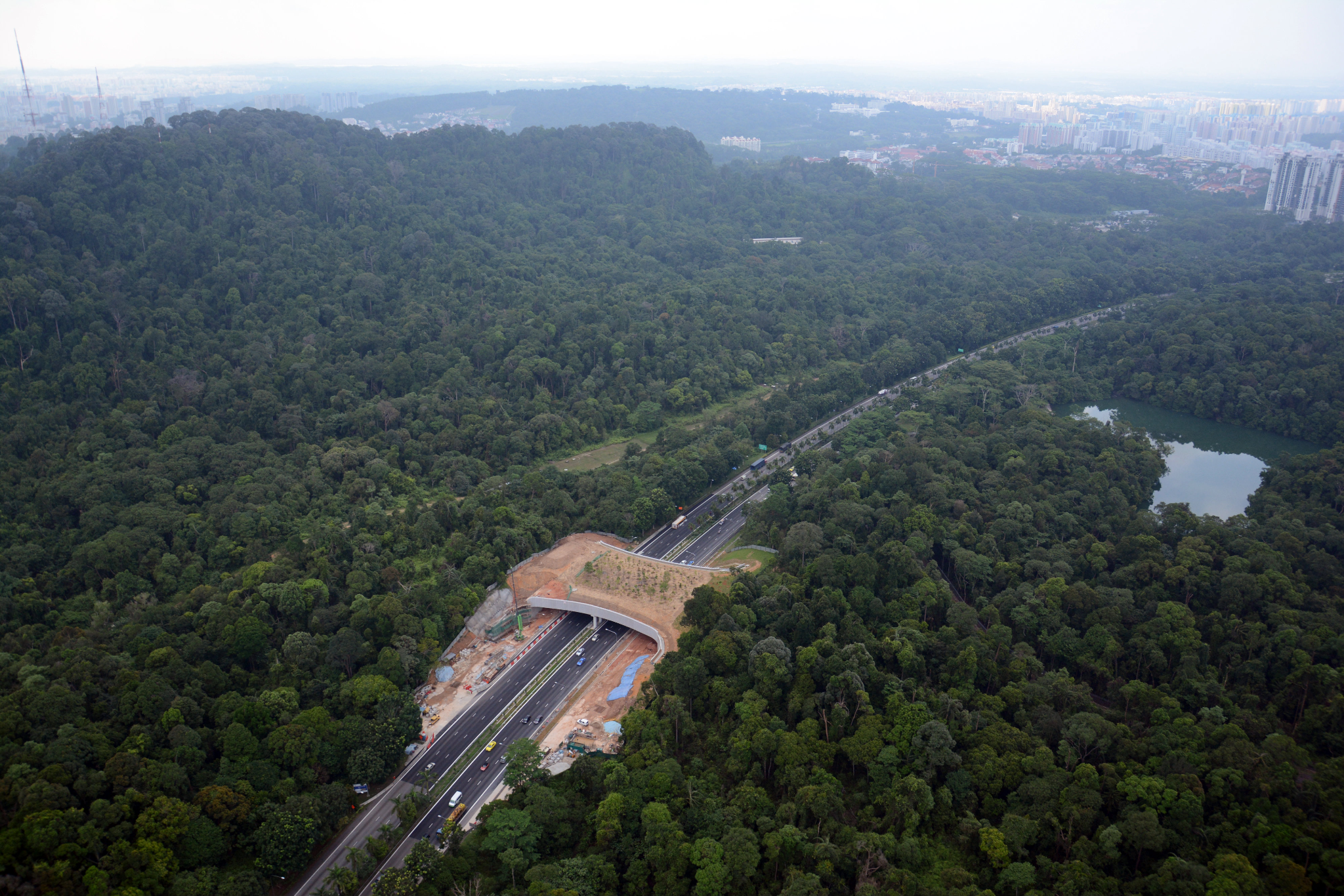
The integration of wildlife corridors is no longer an afterthought. Modern road projects now incorporate aerial canopy bridges and underpasses specifically designed for the island's unique fauna. According to recent updates on AfriCarNews, these structural interventions are vital for maintaining gene flow between isolated forest patches, preventing the "island effect" where small populations become vulnerable to inbreeding and extinction.
Mapping Wildlife Corridors In Engineering Design
The core of Biodiversity-First Infrastructure lies in the mapping process. Engineers and primatologists now collaborate during the feasibility stage to ensure that road alignments follow the path of least ecological resistance.
Innovative Canopy Bridges
Because many of Madagascar’s flagship species are arboreal, traditional tunnels are often insufficient. Designers are implementing "Canopy Corridors"—suspended rope and net structures that allow lemurs to cross high-speed transit routes without descending to the ground, where they face the risk of vehicle strikes. These bridges are strategically placed based on long-term tracking data of lemur troops, ensuring the animals naturally find and use the crossings.
Culverts and Underpasses for Terrestrial Fauna
While lemurs stay high, Madagascar’s reptiles and small mammals require terrestrial solutions. Biodiversity-First Infrastructure mandates the installation of oversized, natural-bottom culverts. These "dry ledges" allow animals to move beneath the asphalt safely even during the rainy season, which is becoming increasingly intense due to shifting climate patterns in the Indian Ocean.
Economic Resilience Through Green Mobility
Critics often argue that environmental safeguards delay progress, but the Malagasy "Infrastructure Resilience Roadmap" proves otherwise. By building Biodiversity-First Infrastructure, the state reduces long-term maintenance costs. Nature-based solutions, such as planting native vegetation along road embankments, prevent the soil erosion and landslides that frequently destroy rural roads during cyclone seasons.
Furthermore, these "Green Corridors" support the country’s burgeoning ecotourism sector. Roads that respect the landscape preserve the very beauty that draws international visitors, ensuring that the transport sector fuels sustainable economic growth. By the end of 2026, the goal is to have every major secondary road project audited for its contribution to Biodiversity-First Infrastructure.
As Madagascar continues to modernize its fleet and transit systems, the marriage of engineering and ecology remains the only path forward. Protecting the "Water Tower of Africa" starts with a road design that views a forest not as an obstacle, but as a partner in progress.
Do you think Madagascar’s "Canopy Bridge" model should be a mandatory standard for all tropical road projects worldwide? Share your thoughts in the comments below!